
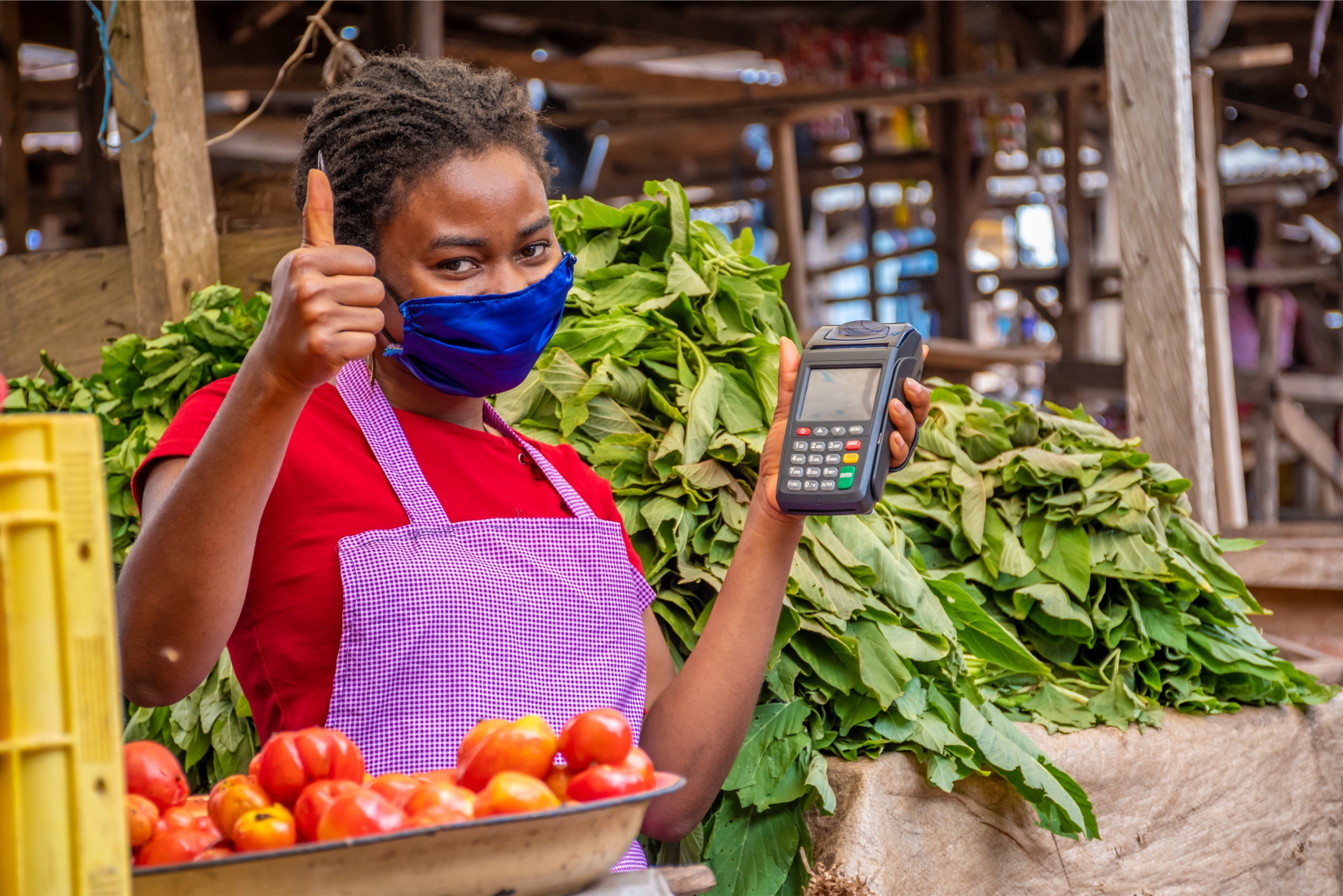
Agriculture remains a critical pillar of Nigeria’s economy, employing millions and contributing significantly to GDP. However, the sector’s full potential in trade remains largely untapped due to policy bottlenecks, infrastructural deficits, and global competitiveness challenges. By implementing strategic policies, Nigeria can significantly enhance agricultural trade, boost foreign exchange earnings, and create jobs.
Expanding Trade Agreements and Market Access
Nigeria must fully harness the African Continental Free Trade Agreement (AfCFTA) to expand its agricultural export footprint across the continent. Additionally, the government should negotiate bilateral trade deals that favor local farmers and agribusinesses, ensuring reduced tariffs and streamlined customs processes. Lowering non-tariff barriers and enhancing compliance with international trade standards will also help Nigerian agricultural products compete better globally.
Investing in Infrastructure and Logistics
A major constraint to agricultural trade is poor infrastructure. Bad roads, inadequate rail networks, and inefficiencies at ports lead to high post-harvest losses and increased costs. To address this, the government should prioritize investments in rural roads, expand cold storage facilities, and modernize ports to ease the export process. Developing a robust logistics system, including cold chain transportation, will improve the quality and shelf life of perishable exports like fruits, vegetables, and dairy products.
Improving Access to Finance for Agribusinesses
Access to finance remains a major hurdle for many farmers and agribusiness owners looking to scale their operations. The government should expand financing initiatives such as the Anchor Borrowers’ Program and create export credit guarantee schemes to encourage agricultural exports. Offering low-interest loans and tax incentives to agribusinesses will stimulate investment in large-scale farming, processing, and export.
Enhancing Quality Standards and Global Competitiveness
Nigeria’s agricultural exports have faced rejection in foreign markets due to non-compliance with international safety and quality standards. The government must strengthen regulatory agencies to ensure that Nigerian produce meets global benchmarks, including Hazard Analysis and Critical Control Points (HACCP) standards and European Union (EU) safety regulations. Certification processes should be simplified, and farmers should receive adequate training on best practices to improve product quality.
Promoting Agro-Processing and Value Addition
Raw commodity exports limit Nigeria’s earnings from agriculture. The country must prioritize value addition by encouraging agro-processing industries that convert raw produce into finished goods. Policies that provide tax incentives, special economic zones, and infrastructure for agro-processing will drive growth in this segment. Furthermore, a strong “Made-in-Nigeria” branding initiative should be launched to enhance the visibility and acceptance of Nigerian agricultural products in international markets.
Strengthening Agricultural Research and Innovation
Innovation is crucial to making Nigerian agriculture globally competitive. Research institutes should focus on climate-smart agricultural practices, improved seed varieties, and mechanization. Additionally, digital technology can be leveraged to connect farmers directly with buyers through e-commerce platforms, reducing middlemen and increasing profit margins.
Addressing Security and Land Tenure Challenges
Farmer-herder conflicts, banditry, and land tenure issues remain significant threats to agricultural investment and productivity. The government must implement stronger security measures in rural areas and reform land ownership policies to provide farmers and investors with greater certainty. Ensuring access to arable land and securing farming communities will drive long-term investment in commercial agriculture.
Public-Private Partnerships for Sustainable Growth
A sustainable agricultural trade policy requires active collaboration between the government and the private sector. Establishing agricultural export hubs and processing zones will create a structured environment for large-scale farming and trade. Additionally, targeted incentives should be introduced to attract foreign direct investment (FDI) into priority agricultural value chains.
By enacting these policies, Nigeria can position itself as a leading player in global agricultural trade. With a thriving export-driven agricultural sector, the country can boost economic growth, create jobs, and enhance food security. Now is the time for decisive policy action to unlock the full potential of Nigerian agriculture.
- Titi Ojo is the Executive Secretary for the Network of Practicing Non-oil Exporters of Nigeria (NPNEN). She is a licensed Business Development Services Provider, Project Management Professional and Accredited Management Trainer


